The 1973 Oil Crisis changed the way Americans drove, bought cars, and thought about energy. Suddenly, gasoline was no longer cheap or easy to get, and long lines at gas stations became a daily reality. However, the crisis did more than disrupt daily life, as it exposed deep flaws in the U.S. auto industry. It marked the beginning of a shift that would reshape the global car market for decades.
The crisis began in 1973, when the Organization of the Petroleum Exporting Countries restricted oil exports to countries supporting Israel. The U.S. was directly targeted. As a result, fuel prices surged rapidly, and supply shortages hit cities across the country. Drivers waited for hours, and some states introduced rationing systems based on license plates. According to the U.S. Energy Information Administration, oil prices nearly quadrupled in a short period, creating widespread economic pressure.
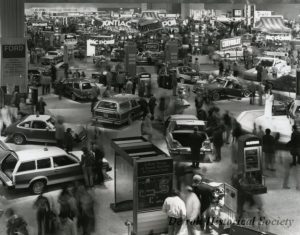
Before the crisis, automakers like General Motors, Ford Motor Company, and Chrysler focused on large vehicles with powerful engines. These cars were profitable and popular, but they consumed large amounts of fuel. Meanwhile, efficiency was not a priority because gasoline prices remained low for years. This strategy left American manufacturers vulnerable when fuel costs suddenly increased.
As gas prices climbed, buyers quickly abandoned large vehicles in favor of smaller, efficient cars. Consequently, demand shifted almost overnight, leaving dealerships with unsold inventory. American consumers began prioritizing fuel economy over size and power, which was a major cultural shift. This sudden change forced automakers to rethink their entire approach to vehicle design.
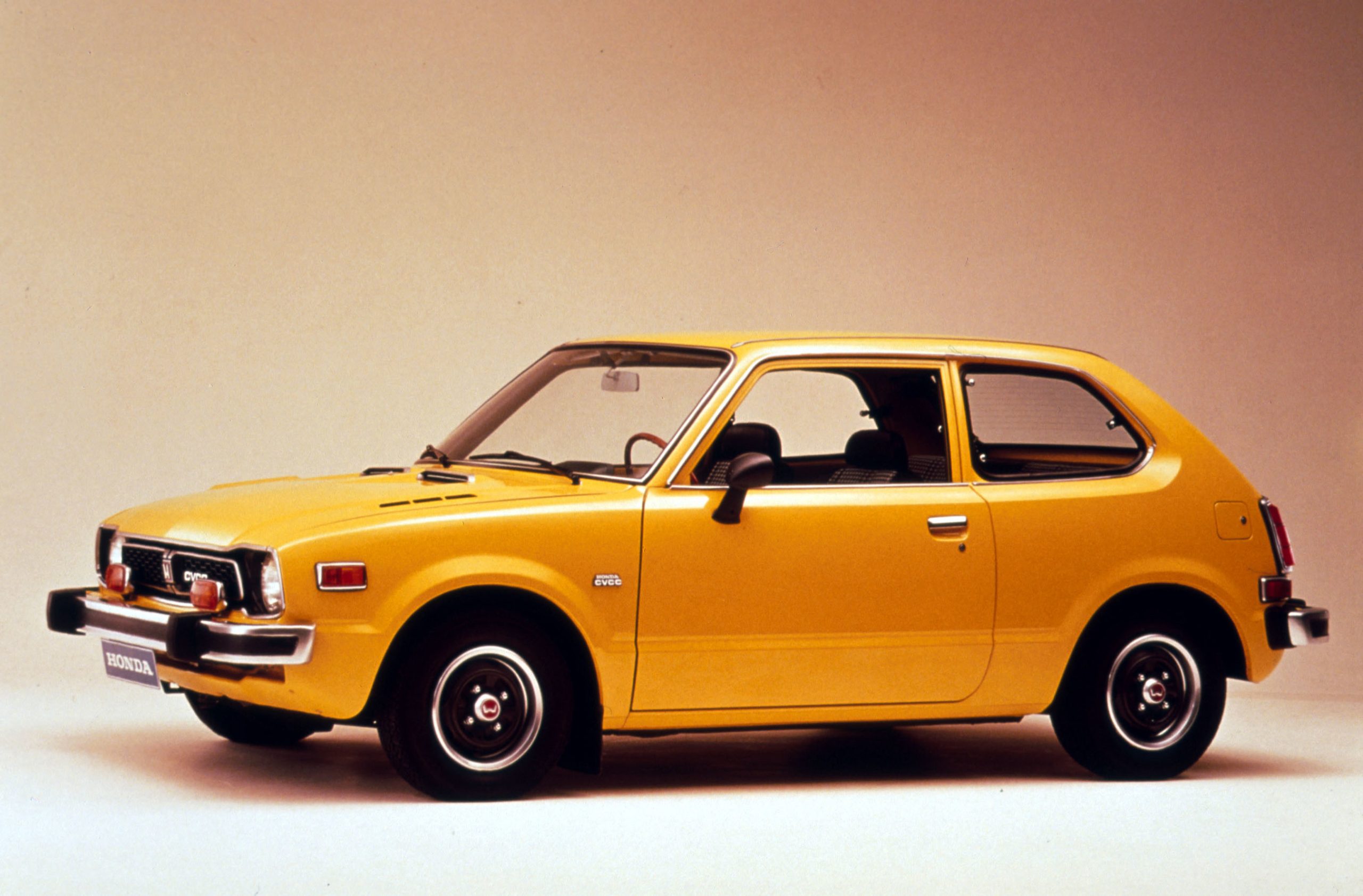
Japanese brands like Toyota, Honda, and Datsun were ready for this moment. In contrast to American cars, their models were smaller, more efficient, and often more reliable. The Honda Civic became a symbol of this shift, offering strong fuel economy at a time when it mattered most. Industry analysts noted that Japanese automakers gained significant market share during this period.
In response, the U.S. government introduced new regulations to control fuel consumption and stabilize the market. The creation of the U.S. Department of Energy marked a major policy shift. Additionally, Corporate Average Fuel Economy standards forced automakers to improve efficiency across their fleets. These rules reshaped how cars were designed and built in the United States.
Despite these changes, the late 1970s and early 1980s brought severe challenges for U.S. automakers. Production slowed, factories closed, and unemployment rose in industrial regions like Detroit. According to historical analysis from the Smithsonian Institution, the crisis exposed long-standing inefficiencies in American manufacturing. Chrysler required government support to survive, highlighting the depth of the industry’s struggles.
Ultimately, the oil crisis forced the U.S. auto industry to adapt or fall behind in a rapidly changing market. It ended the dominance of large, inefficient vehicles and accelerated global competition. The shift toward fuel efficiency and innovation continues to shape the industry today, especially with modern electric vehicles. The lessons from the 1970s remain relevant, as energy and sustainability challenges continue to influence how cars are built and sold.