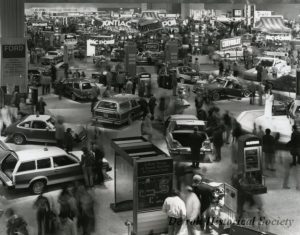
The rise of Detroit auto industry started in the early 1900s when hundreds of car companies competed across the United States. However, one city quickly gained an advantage and became the center of innovation and production. Detroit offered the right mix of labor, materials, and transport. This combination allowed Detroit to dominate the American car market.
At the beginning, more than 3,000 automakers operated in the United States, all trying to build reliable vehicles. As a result, competition was intense, and most companies failed within a few years. Industry consolidation accelerated because successful firms clustered in one location. This concentration created a powerful industrial network that smaller competitors could not match.
Key players such as Ford Motor Company, General Motors, and Chrysler gradually took control of production capacity and distribution. These companies scaled operations and introduced standardized processes. Meanwhile, their financial strength allowed continuous investment in factories and technology. Over time, they formed the backbone of the American auto sector.
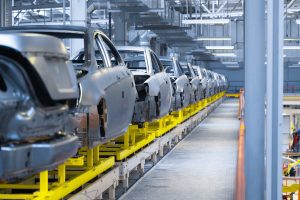
A key factor was the assembly line introduced by Henry Ford. This system reduced production time and lowered costs significantly. Consequently, cars became affordable for the average American. The assembly line model spread globally and changed manufacturing forever.

Detroit had natural advantages that supported auto industry. The city was close to steel production and major transportation routes. In addition, it had a growing workforce ready for factory jobs. These factors created a strong industrial base that other cities could not easily replicate.
As factories expanded output, standardized production became the norm across the industry. Vehicles were produced faster and in larger volumes than ever before. However, this efficiency also reduced the number of viable competitors. Market share became concentrated among a few dominant companies.
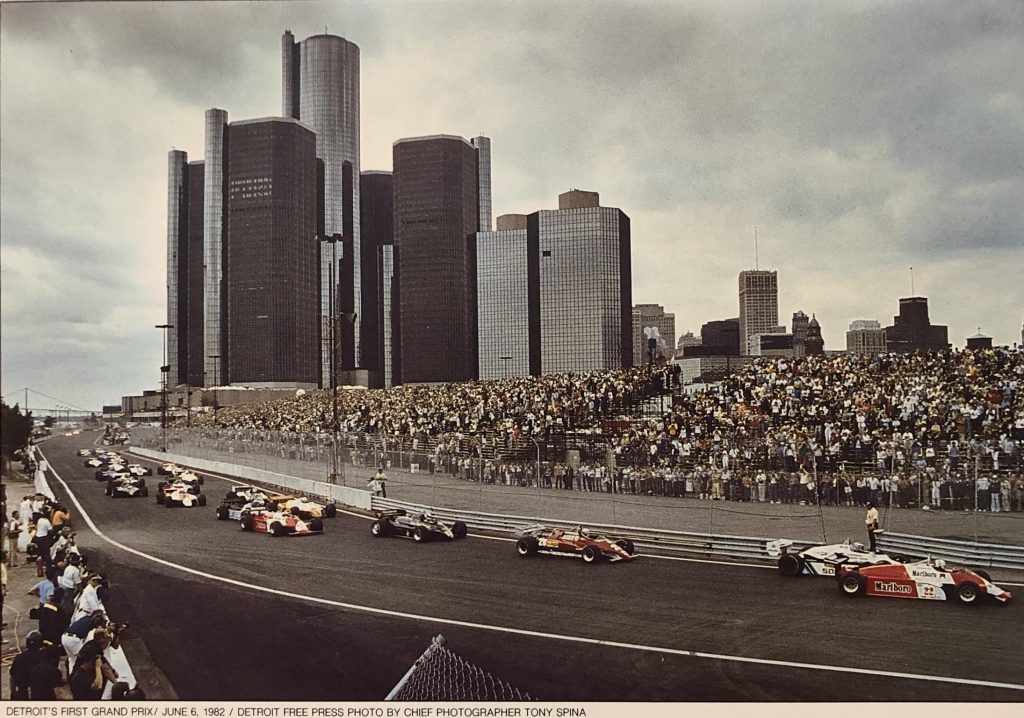
The auto industry became a major driver of employment and urban growth in the region. Entire communities developed around factories, and infrastructure expanded to support transportation needs. The automotive sector played a central role in shaping modern American society. Car ownership also influenced suburban expansion and road development.
Ultimately, Detroit’s transformation into a manufacturing hub reshaped the structure of the automotive market. It set the foundation for modern car manufacturing and business strategies. Although competition has increased globally, Detroit’s legacy remains strong. The systems and ideas developed during this period still influence the automotive industry today.