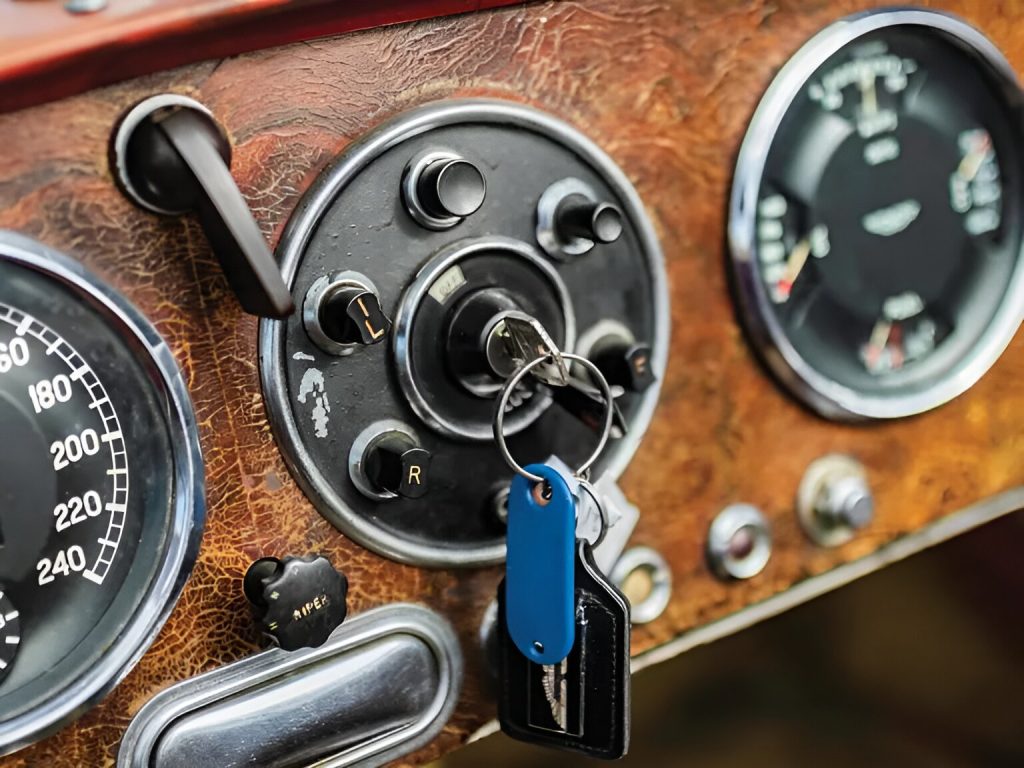
Imagine buying a brand-new car today and receiving nothing more than a small metal key. No remote buttons, no electronic chip, no push-button start. Just a piece of metal that opens the door and starts the engine. It might sound strange, but that was perfectly normal for generations of drivers.
Car keys have changed dramatically over the last century. What started as a simple mechanical tool has become a small electronic device capable of communicating with a vehicle, controlling its security systems, and even replacing traditional keys completely. However, this technological progress has also created new problems that car thieves are constantly learning to exploit.
When a Metal Key Was All You Needed
Early automobiles did not always have the same starting systems we know today. Some early vehicles were started using hand cranks, while others used basic switches and mechanical controls. As ignition systems developed, metal keys became a standard way to control access to the vehicle and prevent unauthorized starting.
For decades, the principle remained relatively simple. Drivers inserted a key into the ignition cylinder, turned it, and started the engine. The same key could usually unlock the doors and trunk. There were no electronic chips or wireless signals involved.
Unfortunately, mechanical keys had one major weakness. Anyone with the right tools and enough knowledge could potentially copy a key or manipulate a lock. Car manufacturers gradually improved lock designs, but preventing theft was becoming increasingly difficult as vehicles became more popular.
The Tiny Chip That Changed Car Security
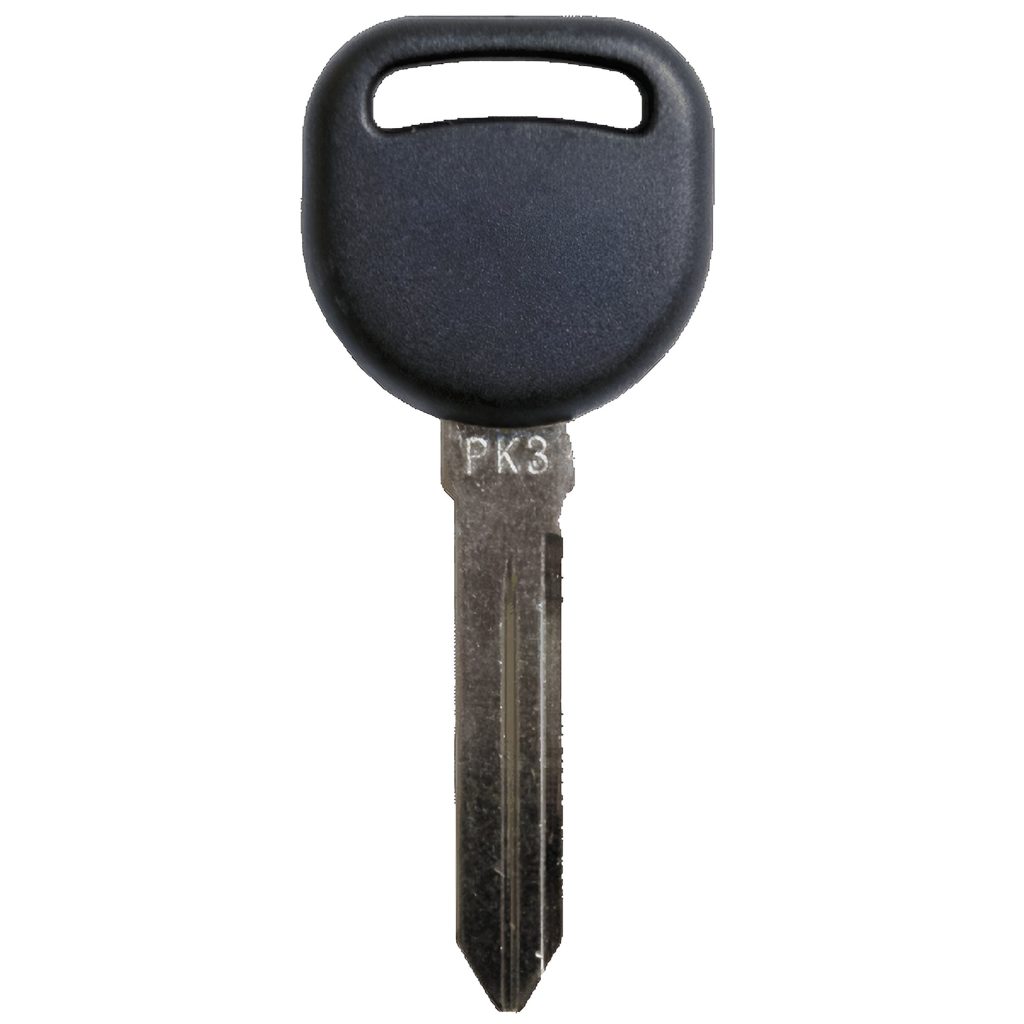
A major turning point came with electronic immobilizer systems. Instead of relying entirely on the physical shape of a key, manufacturers began using transponder technology to verify whether the correct key was being used.
A transponder key contains a small electronic chip, usually hidden inside its plastic head. When the driver inserts the key into the ignition, the vehicle communicates with the chip and checks its identification code. If the code is not recognized, the immobilizer prevents the engine from starting.
This was a significant improvement because simply copying the metal part of the key was no longer enough to steal many modern vehicles. A thief also needed to overcome the electronic security system.
The technology became increasingly common during the 1990s and helped establish electronic immobilizers as an important part of modern vehicle security.
When Car Keys Got Their Own Buttons
The next major change was not necessarily about security. It was about convenience.
Remote keyless entry systems allowed drivers to lock and unlock their vehicles without inserting a key into the door. A simple press of a button could unlock the entire car, while additional buttons often controlled the trunk and alarm system.
These systems became particularly popular because they changed the everyday experience of owning a car. Drivers no longer had to search for the door lock in the dark or put down their shopping bags just to unlock the vehicle.
Later systems introduced rolling codes. Instead of transmitting exactly the same security code every time, the key fob and vehicle used changing codes to make signal interception and replay attacks more difficult.
The Key You Never Have to Take Out of Your Pocket
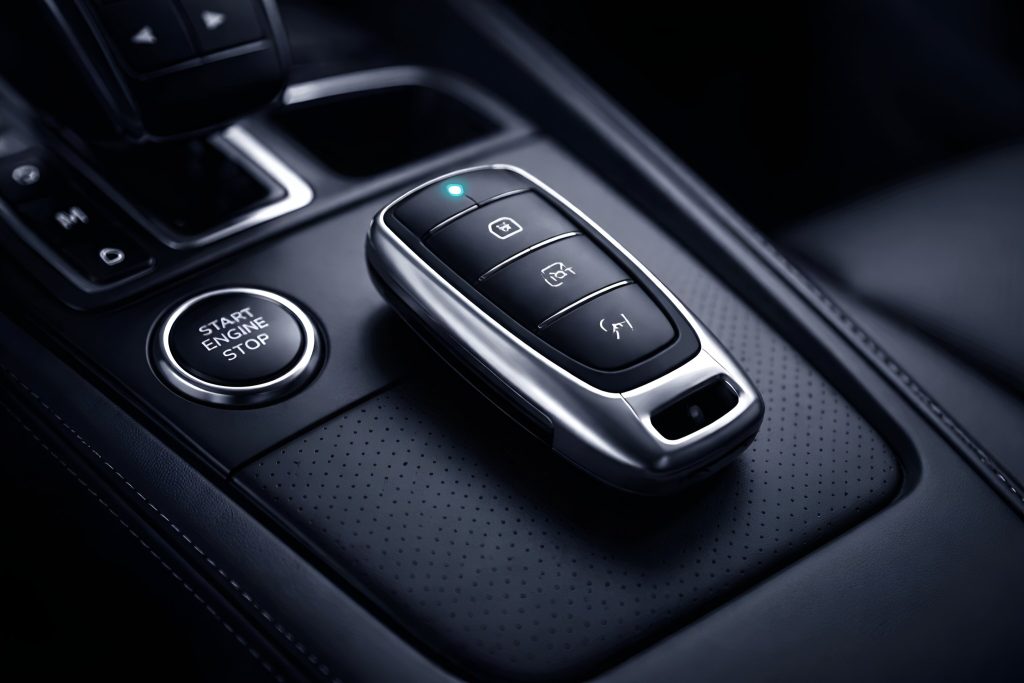
Smart key technology took convenience one step further. Drivers could keep their key inside a pocket, handbag, or backpack while the vehicle detected its presence automatically.
When the driver approached the car, the system could unlock the doors. Once inside, starting the engine often required nothing more than pressing a button.
This technology became a familiar feature in many premium vehicles before gradually spreading into more affordable models.
However, smart keys also introduced a new security concern. Criminals discovered that certain keyless entry systems could be attacked using relay devices. These devices can extend communication between a key and a vehicle, making the car believe that its owner is standing nearby even when the key is inside a house.
In other words, a technology designed to make stealing cars more difficult also created a new type of opportunity for thieves.
Your Smartphone Could Become Your Next Car Key
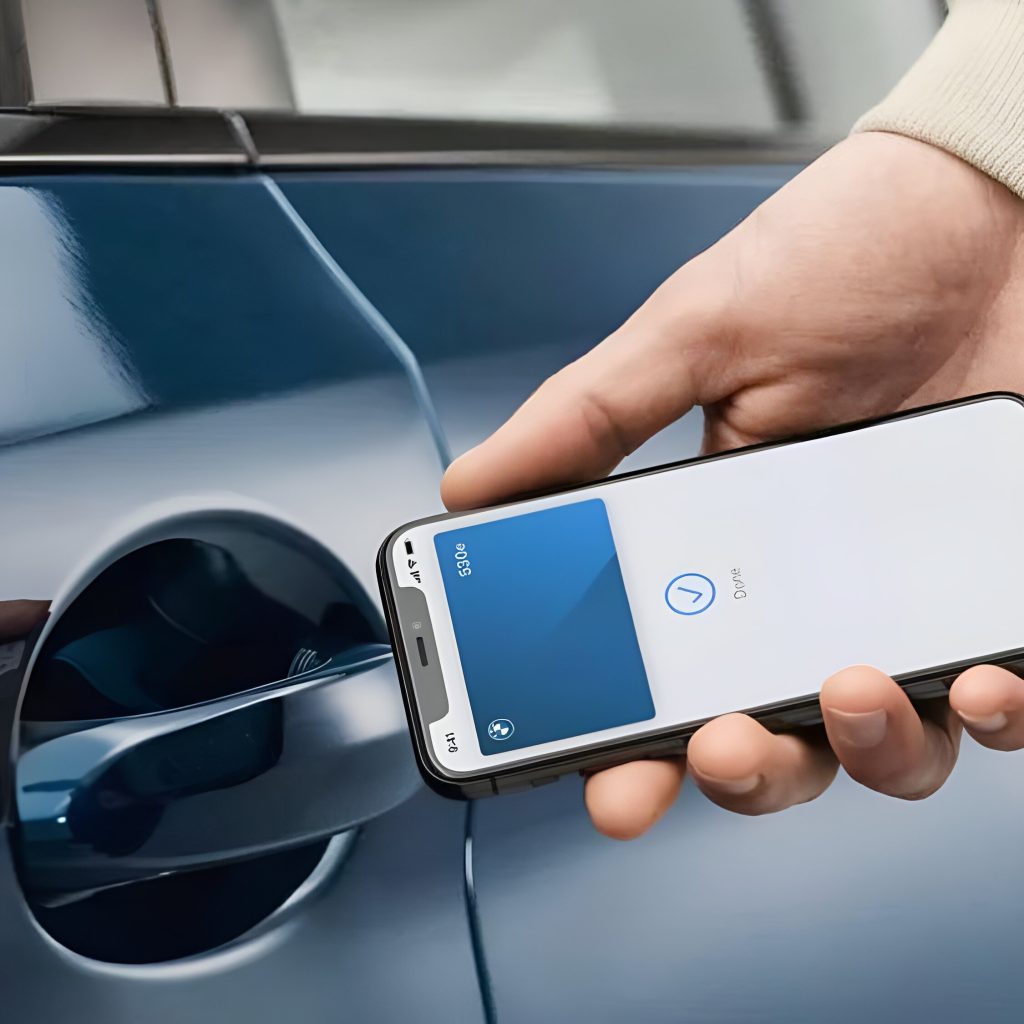
The latest stage in this evolution is digital car access. Some manufacturers now allow owners to use smartphones instead of traditional key fobs.
Depending on the vehicle and technology, a digital key can use Bluetooth, NFC, or Ultra-Wideband communication. Some systems allow drivers to unlock the doors, start the engine, and share temporary access with other people directly from a smartphone.
Digital keys can also offer advantages that traditional keys cannot. Owners may be able to give another driver temporary access without physically handing over a key. This could be useful for family members, rental vehicles, or shared cars.
However, digital access also depends on technology that can fail. A discharged phone battery, software problems, or connectivity issues can turn a convenient feature into an unexpected inconvenience. Many systems therefore include backup access methods.
Are Modern Car Keys Actually Safer?
The answer is not as simple as it might seem.
Electronic immobilizers made unauthorized engine starting much harder than it was with traditional mechanical keys. Rolling codes and modern encryption have also improved protection against certain attacks.
However, keyless entry systems have introduced different security risks. Relay attacks, weaknesses in wireless communication, and poorly protected digital systems show that removing the physical key does not automatically make a vehicle more secure.
Drivers can reduce some risks by keeping smart keys away from exterior doors and windows, using a suitable signal-blocking pouch, and keeping vehicle software updated where supported.
The biggest lesson is that car security is no longer just about the key itself. It also depends on the communication between the key, the vehicle, and the systems that control access.
The Future: Cars That Recognize Their Owners
Physical keys may eventually become less common. Smartphone-based access is already available in some vehicles, while biometric technologies such as fingerprint recognition are being explored as additional ways to verify a driver’s identity.
Future systems could combine several methods of authentication. A vehicle might recognize an authorized smartphone, verify the driver’s identity, and use additional security checks before allowing the engine to start.
But there is one thing that probably will not change: drivers will still expect their cars to be available whenever they need them.
The evolution of car keys is a perfect example of how automotive technology has transformed everyday driving. A simple piece of metal has become a sophisticated digital security system. And while the traditional key may eventually disappear, the battle between vehicle security engineers and car thieves is far from over.