Modern cars have changed significantly in recent years. For example, they are no longer just engines and wheels. Instead, they now serve as advanced digital platforms with software and connected systems. Google leads this shift with Android Automotive OS, which runs directly in vehicles like the Volvo EX90. As a result, car manufacturers build smarter, safer, and more connected automobiles, including models from Polestar and GM.
Android Automotive OS differs from systems like Android Auto. For instance, it builds into the car’s hardware rather than mirroring phone apps. This controls navigation, climate control, and infotainment systems effectively in vehicles such as the Polestar 3. Therefore, drivers enjoy a smooth, integrated experience on every drive, with direct access to Google services.
Car makers embrace software-defined vehicles today. In these cars, software replaces many physical parts for features. Android Automotive OS enables over-the-air updates, much like smartphones, as seen in the Cadillac Lyriq from GM. Consequently, vehicles improve without shop visits or hardware changes, keeping features current.
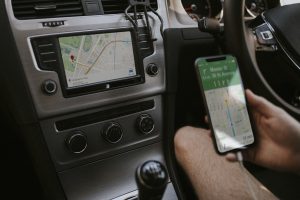
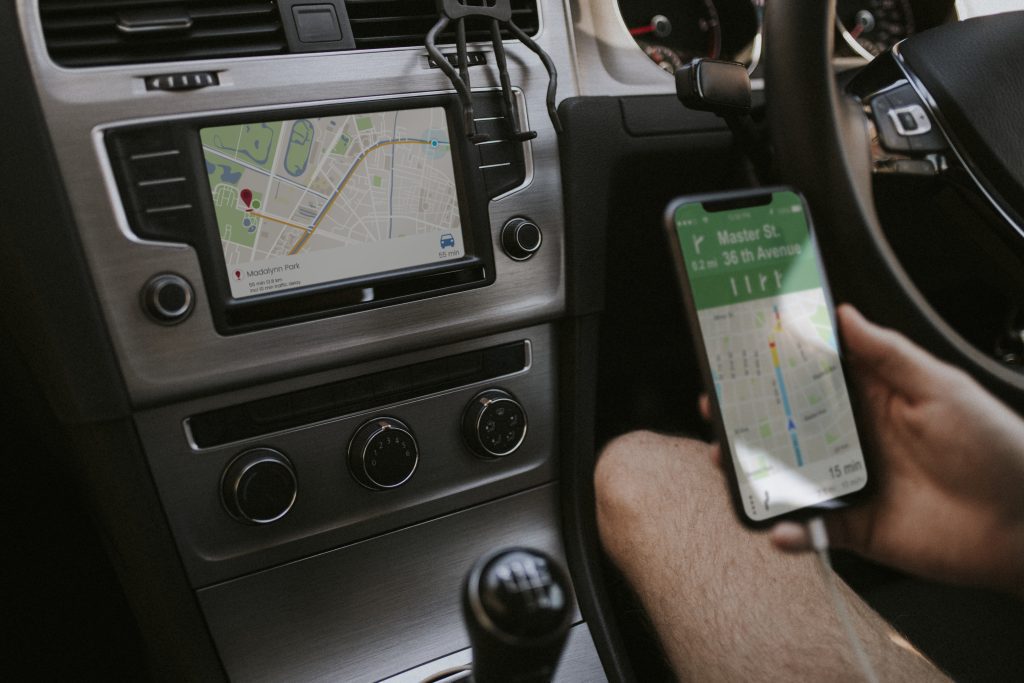
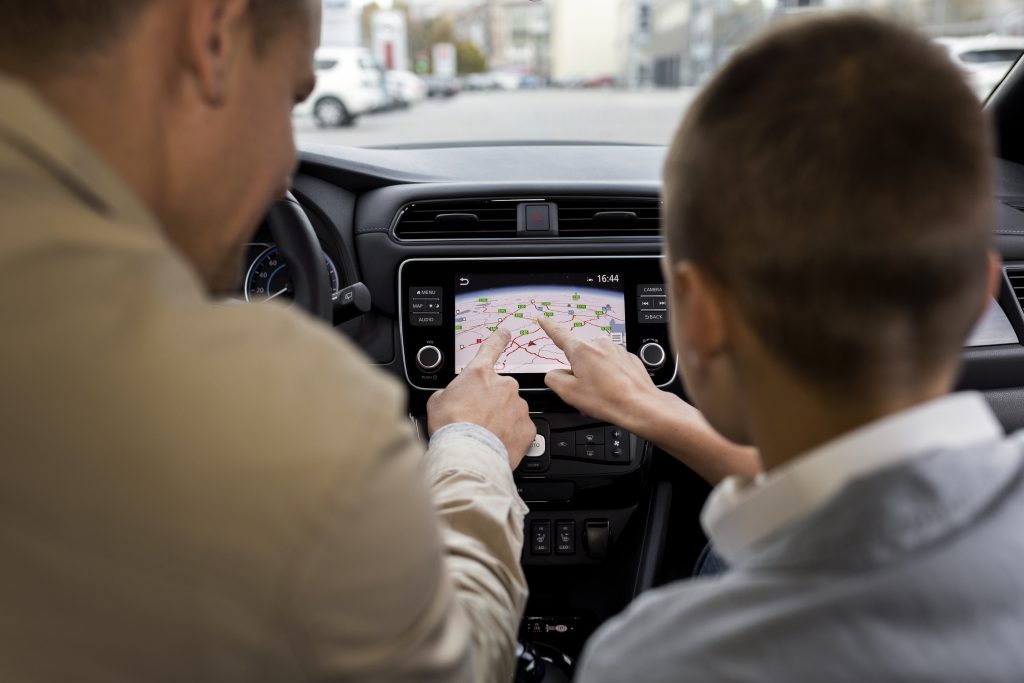
A major benefit is integration with Google services. Drivers access Google Maps for navigation and Google Assistant for commands in the Volvo EX90’s dashboard. Moreover, the Google Play Store offers apps directly, enhancing daily commutes. Thus, driving becomes more convenient and connected for users across brands like Polestar.
This progress raises data privacy issues, however. Vehicles gather data from sensors constantly in connected models. Questions arise about ownership and usage of this information from Android Automotive OS. Automakers must follow rules, ensuring transparency and security for trust, especially with growing adoption.
The automotive industry redesigns car production now. Software equals hardware in importance for software-defined vehicles. Firms invest in new skills and technologies, partnering with Google. Partnerships, for example, power Android in Polestar 4 SUVs. These drive faster innovation in mobility for electric vehicles.
Challenges exist despite advantages. Some automakers avoid external platforms like Android Automotive OS. Instead, they create in-house systems for brand control, competing with GM’s approach. Ultimately, this sparks rivalry between proprietary setups and open systems, shaping future car tech.
Real-world examples highlight the impact. Volvo’s EX90 uses Android Automotive OS for its full software-defined architecture, integrating Google deeply. Polestar 3 and 4 follow suit with native Google apps for infotainment. GM expands it to Cadillac Lyriq and other EVs. Therefore, these vehicles demonstrate how Android transforms driving into a seamless digital experience.