This model introduces BMW’s next-generation electric platform. It replaces the old mixed ICE/EV architecture with a clean-sheet setup built only for electric cars.
BMW delayed the Neue Klasse sedan and pushed this SUV first because the market favors crossovers. The result is a mid-size EV with fresh engineering, new batteries, new motors, new interior, and a new electrical system. Nothing major is carried over.
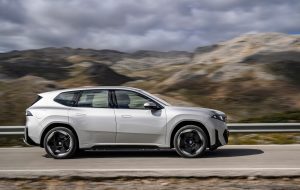
The design is cleaner than recent BMW SUVs. The oversized grille trend has stopped, and the iX3 shows the new direction. The body sits on a longer wheelbase than the current X3, but the shorter front end creates more cabin space. Rear seats fit adults, luggage space is strong, and there is a small front trunk.

The platform runs on an 800-volt system. BMW targets 400 kW fast charging when the charger can deliver it. A 109-kWh battery can go from 10% to 80% in about 21 minutes and add roughly 175 miles in 10 minutes under ideal conditions. BMW aims for about 400 miles of EPA range.
The iX3 50 xDrive uses two motors: an asynchronous unit in front and a stronger externally excited synchronous motor at the rear. Total output is 463 hp and 476 lb-ft. Weight is about 5200 pounds. BMW claims 0–60 mph in 4.7 seconds. Acceleration is strong at low and mid speeds and begins to fade at higher speeds. Traction is excellent.

BMW built a new dynamic control system called the Heart of Joy. It manages throttle, braking, and power distribution so the car reacts as one unit. Throttle response is clean. Brake feel is natural even though almost all normal braking is regenerative. Regeneration modes include one-pedal driving. Steering is physical, not steer-by-wire, but the system uses torque distribution to sharpen reactions. Handling is stable and more agile than expected for the size.
Ride quality is the main weak point. BMW launched the car with standard springs and passive dampers. Body control is good at speed, but broken pavement brings a firm, busy feel.

Interior technology mixes useful ideas with gimmicks. The touchscreen angles toward the driver but forces too many basic functions into menus, including climate controls. The pop-out door handles and decorative lighting add little. Air-vent adjustment through the screen is slow and unnecessary.

A wide 43-inch display sits at the base of the windshield and shows driving data across the cabin. BMW’s virtual assistant appears as an animated face and makes its own suggestions. It can be disabled. Highway Assistant works well and can manage steering and speed as long as it detects attention from the driver.
Build quality feels solid. Materials vary, but overall fit and finish are strong. Space is better than the old X3, and the packaging benefits from the EV-only platform.

The iX3 shows BMW’s long-term EV plan. The engineering step forward is obvious. If pricing lands near $60,000 in the U.S., it will sit directly against premium EV crossovers from Polestar, Porsche, and others.
The remaining question is market timing. EV demand is shifting as incentives fade and some brands scale back their electric plans. BMW committed billions to this new platform. The iX3 proves it was spent on real engineering, but the company now waits to see if buyers will follow.