It was on this day, 22 years ago, that an era came to a ceremonious end. On July 30, 2003, the very last original Volkswagen Beetle—known lovingly around the world as the “Bug”—rolled off the production line in Puebla, Mexico. Painted in a soft shade of blue and wearing badge number 21,529,464, this final Beetle wasn’t just another car. It was the closing chapter of a story that spanned 65 years, multiple continents, and generations of loyal fans.
The send-off was anything but ordinary. Mariachi music filled the air, flowers adorned the factory floor, and workers joined in a symbolic funeral procession. Mexico, where the Beetle had enjoyed an especially long and beloved run, knew they were saying goodbye to more than just a vehicle—they were bidding farewell to a cultural icon.
From Controversial Origins to Global Stardom
The Beetle’s journey began in 1938 in Nazi Germany, born out of Adolf Hitler’s vision for a “people’s car” (or Volkswagen in German). Designed by Ferdinand Porsche, the car was intended to be cheap, simple, and reliable enough for the average German family.
World War II halted its civilian production, but post-war, the little car with the rear engine and unmistakable curves found a new lease on life. In the rubble of postwar Europe, it became a symbol of recovery and mobility. By the 1950s and ‘60s, it had crossed the Atlantic and hit American shores—where things really took off.
The Bug That Bit the World
Few cars have had the kind of universal appeal the Beetle enjoyed. It wasn’t fast, flashy, or luxurious—but it was fun. Its unique styling, reliability, and unbeatable price tag made it a favorite among young drivers, college students, and even families.
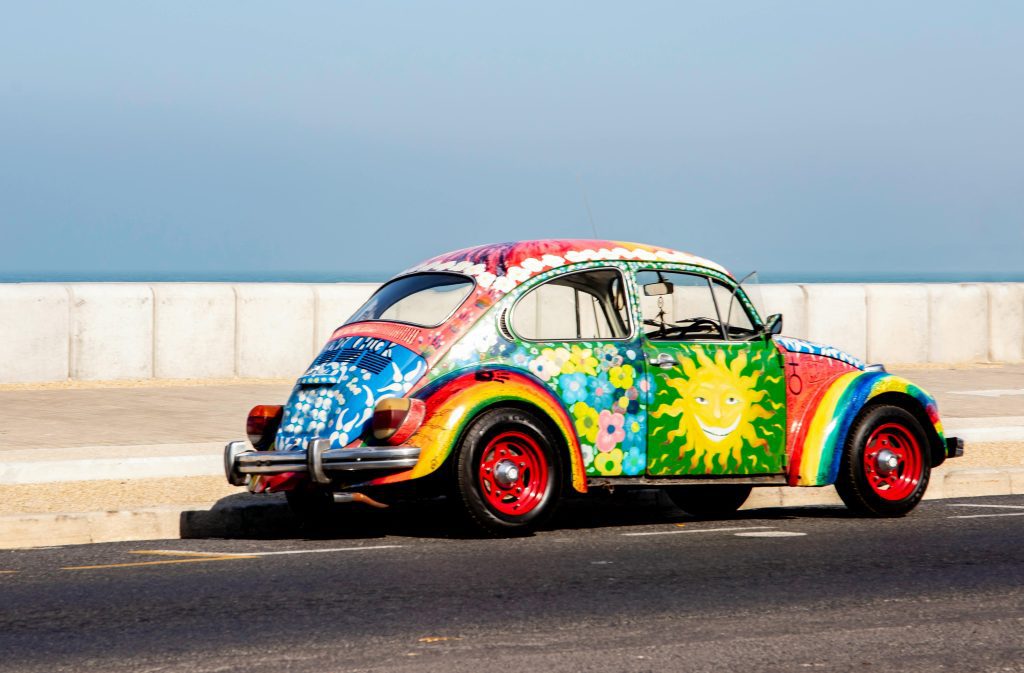
In the U.S., it became an unexpected counterculture darling. As American cars grew larger and brasher in the 1960s, the Bug stood proudly different. It was the car that didn’t try to impress—yet ended up charming everyone.
By 1972, the Beetle had surpassed the legendary Ford Model T to become the world’s best-selling car. It had gone from fascist project to freedom symbol—a turnaround few other machines could claim.
Long Live the Vocho
Production in Germany ended in 1978, but the Beetle wasn’t done. Far from it. In countries like Brazil and Mexico, it continued on—cheap to buy, easy to fix, and ideal for crowded urban streets. In Mexico, it earned the affectionate nickname Vocho and became a common sight as a taxi.
Puebla kept the Beetle alive for another 25 years, churning out millions more even as the rest of the world moved on to newer, faster, more tech-laden vehicles. And then, on that summer day in 2003, the last one took its final bow.
The Legacy Lives On
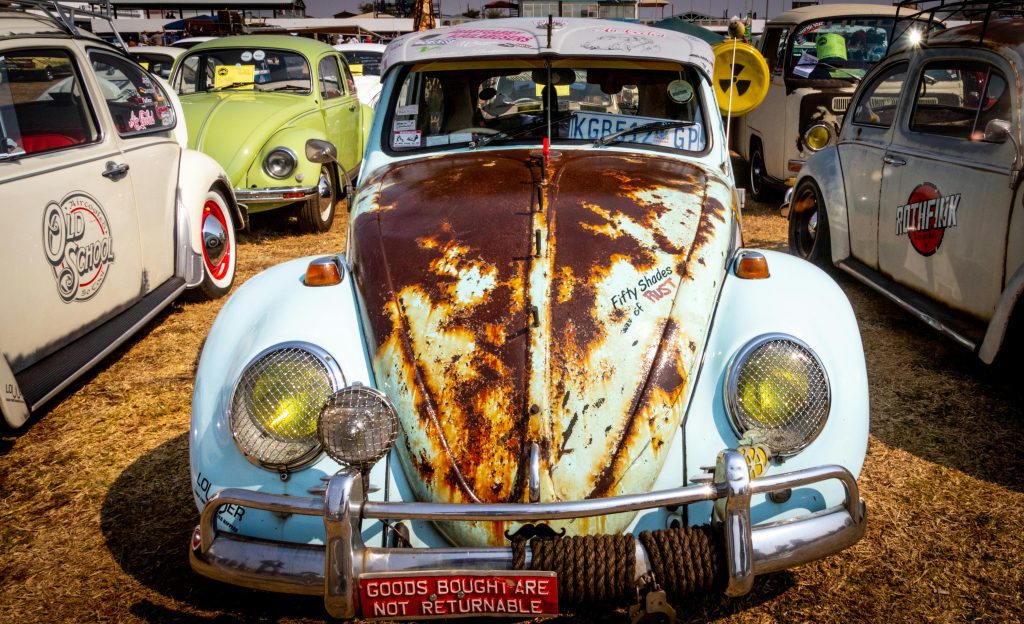
The final original Beetle didn’t end up in someone’s garage or on a used car lot. It was sent straight to Volkswagen’s museum in Wolfsburg, Germany—a fitting home for a car that started a revolution.
Of course, the Beetle name lived on through the New Beetle in the late ’90s and the more refined (and less bubbly) redesign in the 2010s. But those were tributes—modern interpretations of a legend. The true original, air-cooled and rear-engined, ended with that light blue 2003 model.
For many car lovers, especially us here at Carniacs, the original Beetle is a reminder that greatness doesn’t always come with horsepower or luxury. Sometimes, it comes in the form of a bug-shaped coupe with a soul.