Why the Toyota Camry Matters in the USA?
The Toyota Camry is one of the most common cars on American roads. For decades it has been a top seller in the United States, used by families, commuters, rental companies, and ride-share drivers. Because there are so many Camrys on the road, people search for information about problems, reliability, and which model years are worth buying or avoiding. The Camry has a strong reputation, but it is not a perfect car. We would try to explain the most common Toyota Camry problems, the years to avoid, real repair costs in the USA, and the true reliability behind the reputation.
Common Toyota Camry Engine Problems Explained
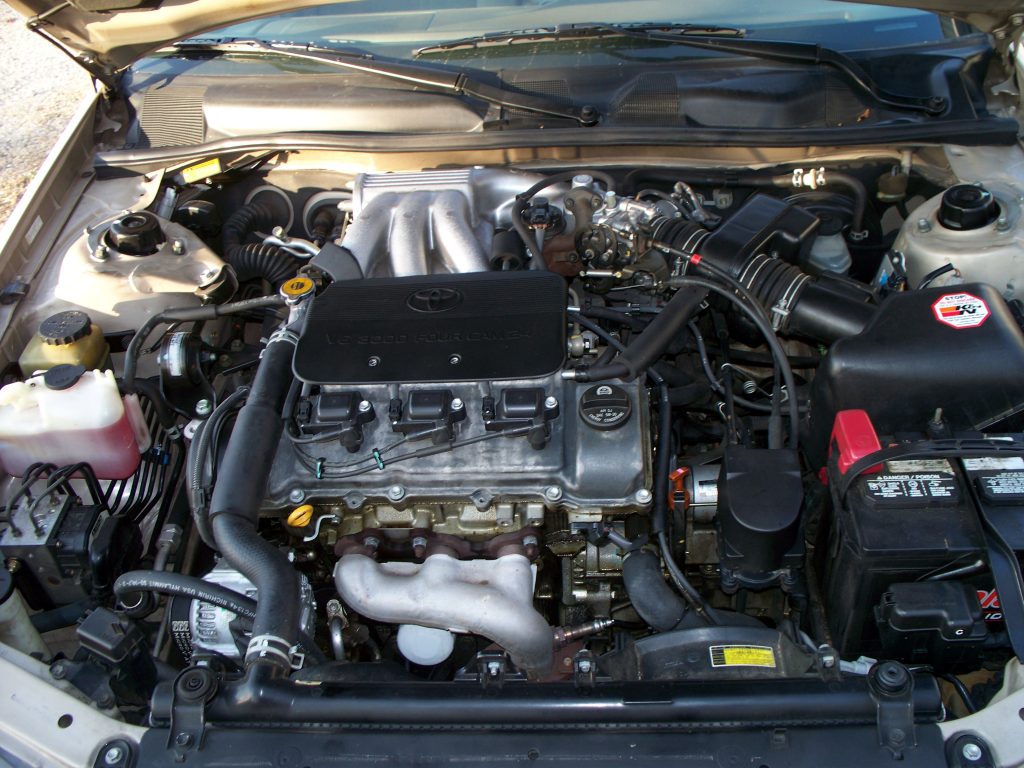
One of the most discussed Toyota Camry problems is related to the engine. Older Camry models from the late 2000s, especially those with the 2.4-liter four-cylinder engine, are known for excessive oil consumption. Models from around 2007 to 2009 can burn oil faster than normal, even when properly maintained. This problem happens because of piston ring design issues. Drivers often notice the oil level dropping quickly between oil changes. If the issue is not fixed, it can lead to engine damage. Repairing this problem properly can be expensive, often costing several thousand dollars, which is why these years are commonly mentioned as Camry years to avoid.
Newer Camry engines are generally more reliable, but they are not completely problem-free. Some owners report water pump failures, coolant leaks, and sensor issues after higher mileage. These problems are usually not catastrophic, but they can still lead to repair bills that surprise owners who believe the Camry never breaks.
Toyota Camry Transmission Issues and What to Expect
Transmission problems are another area often searched by Camry owners. Older automatic transmissions, especially in early 2000s models, can develop rough shifting or delayed engagement as mileage increases. These issues are often caused by worn internal components or old transmission fluid that was never changed. While Toyota transmissions are considered durable, they still require maintenance.
In newer Camry models with automatic and hybrid systems, most transmission complaints are software-related rather than mechanical. Some drivers report hesitation or unusual shifting behavior, especially at low speeds. In many cases, software updates or recalibration solve the problem. This does not usually affect long-term reliability, but it can impact driving comfort.
Toyota Camry Years to Avoid and Why
When talking about Toyota Camry years to avoid, certain model years come up repeatedly. The 2007 to 2009 Camry is the most commonly mentioned due to oil consumption problems. Some early 2012 models also had transmission and torque converter complaints, although these were less widespread. This does not mean every Camry from these years is bad, but buyers should be cautious and check service records carefully.
On the other hand, many Camry model years are considered extremely reliable. Models from the mid-1990s, early 2000s, and most years after 2013 have strong reliability records. These cars often exceed 200,000 miles with basic maintenance.
Real Toyota Camry Repair and Maintenance Costs in the USA
Repair costs are an important part of the reliability reality. While the Camry is cheaper to maintain than many competitors, it is not maintenance-free. Common repairs such as brakes, suspension components, and sensors are normal as mileage increases. In the USA, typical annual maintenance and minor repairs usually range from $400 to $700.
Larger repairs, such as suspension overhauls, cooling system work, or transmission repairs, can push costs higher depending on the model year and driving history. Complete transmission failure is rare, but when it happens, it can be one of the most expensive repairs.
Toyota Camry Reliability Reality vs Reputation
The big question many buyers ask is whether the Toyota Camry is truly reliable long term or if the reputation is exaggerated. The reality is that the Camry is reliable, but not indestructible. Owners who follow maintenance schedules, check oil levels regularly, and address small problems early usually experience very few major issues.
The Camry’s strong reliability reputation exists because it fails less often than many competitors and costs less to repair when problems occur. This makes it a safe and predictable choice for long-term ownership in the United States.
Is the Toyota Camry Still a Safe Long-Term Choice?
In conclusion, the Toyota Camry remains one of the safest choices for American drivers who want a dependable and practical car. It has known issues, especially in specific years, but its long-term reliability is real when properly maintained. Buyers who understand the common problems, avoid risky model years, and keep up with maintenance can expect many years of reliable service from a Camry.