Car suspension systems shape how a vehicle behaves on every road surface. The suspension decides how a car takes bumps, how it corners, how it brakes, and how stable it feels at high speed. Although the basic goal has not changed since the early 1900s, manufacturers have created several different layouts to balance comfort, durability, steering precision, and cost. Below is a detailed explanation of the main suspension types, how they developed, and examples of vehicles that use them.
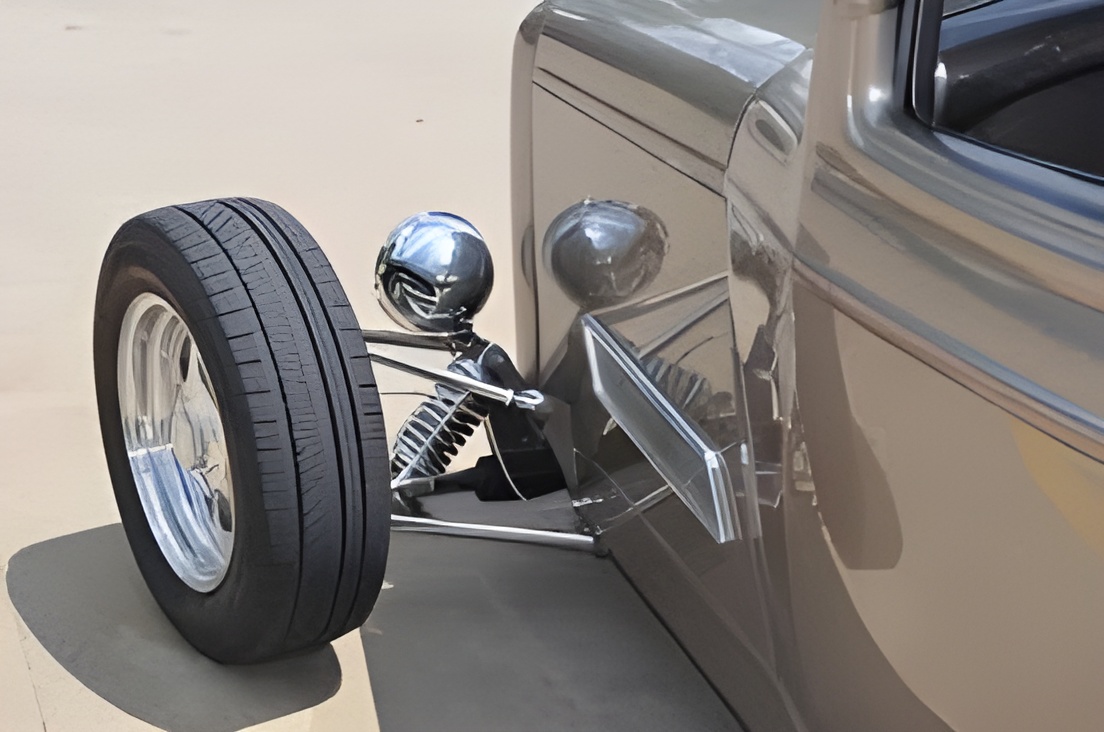
Double Wishbone Suspension
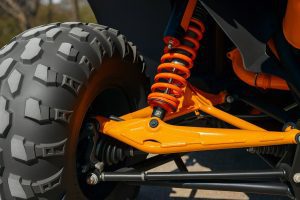
A double wishbone suspension uses two control arms shaped like a “V” or a “U.” One arm sits on top and one on the bottom. This structure holds the wheel straight and stable during cornering. Engineers can tune camber, caster, and toe more precisely than with simpler systems. The design first appeared on racing cars before World War II, because race teams needed a layout that kept the tire in full contact with the track at all times. In the following decades, high-end road cars adopted it for the same reason: accurate handling and strong cornering grip.
Examples: Lexus LC500, Honda S2000, Subaru BRZ (front), many modern supercars and performance cars.
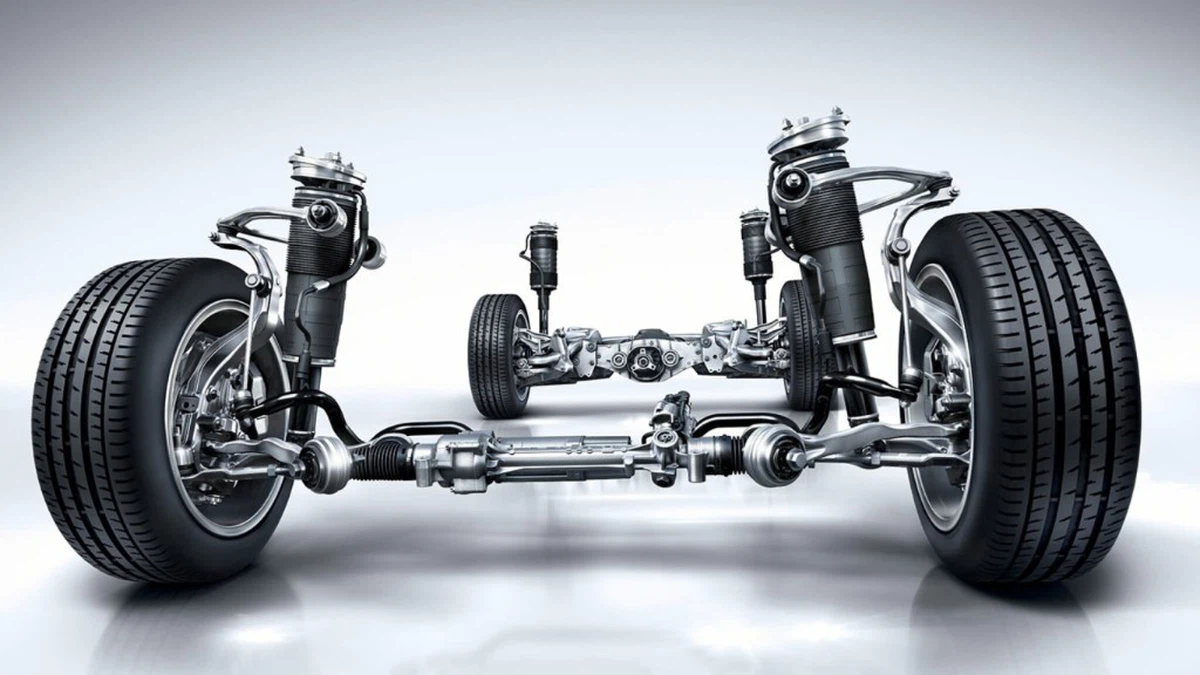
Multi-Link Suspension
A multi-link suspension uses several separate arms to control the wheel. Instead of two solid wishbones, each arm handles one specific direction of movement. This layout offers high comfort and strong stability at the same time. It became popular in the late 1970s and 1980s when car companies wanted smoother highway ride without losing control in corners. The flexibility of the design makes it ideal for premium sedans and sporty models.
Examples: Audi A4, Mercedes-Benz C-Class, Nissan GT-R, BMW 5 Series.
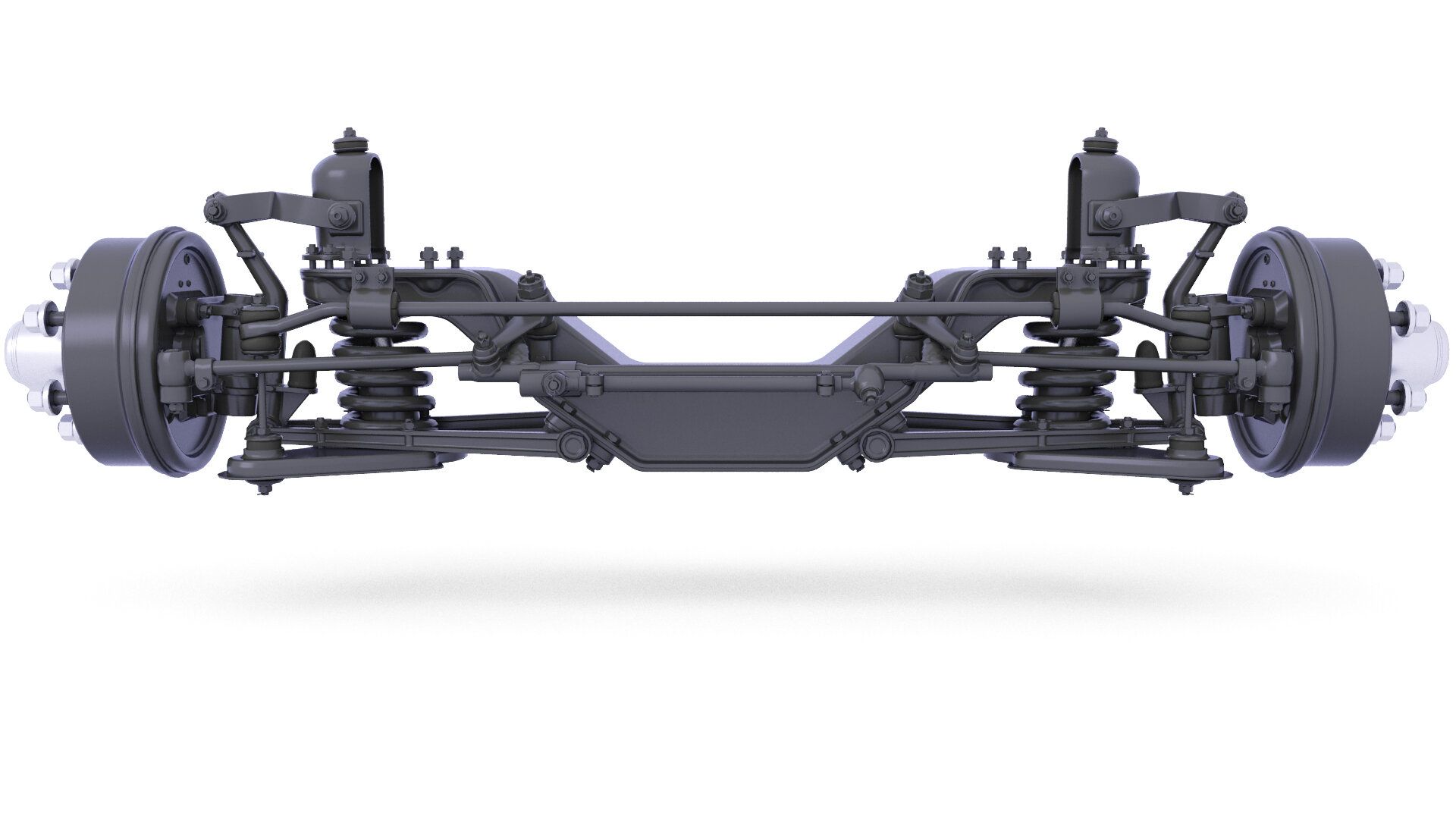
Rigid Axle Suspension
A rigid axle suspension connects both wheels with a single solid beam. If one wheel moves, the other wheel reacts with it. This design is old, simple, and extremely tough. Early cars used it because manufacturing was basic and roads were rough. Today it survives mainly on classic off-road vehicles, work trucks, and vans because it handles heavy loads and hard impacts better than most independent systems. The downside is reduced comfort and less precise handling.
Examples: Jeep Wrangler (rear), Toyota Land Cruiser 70 Series, Ford Ranger (rear), old Land Rover Defender.
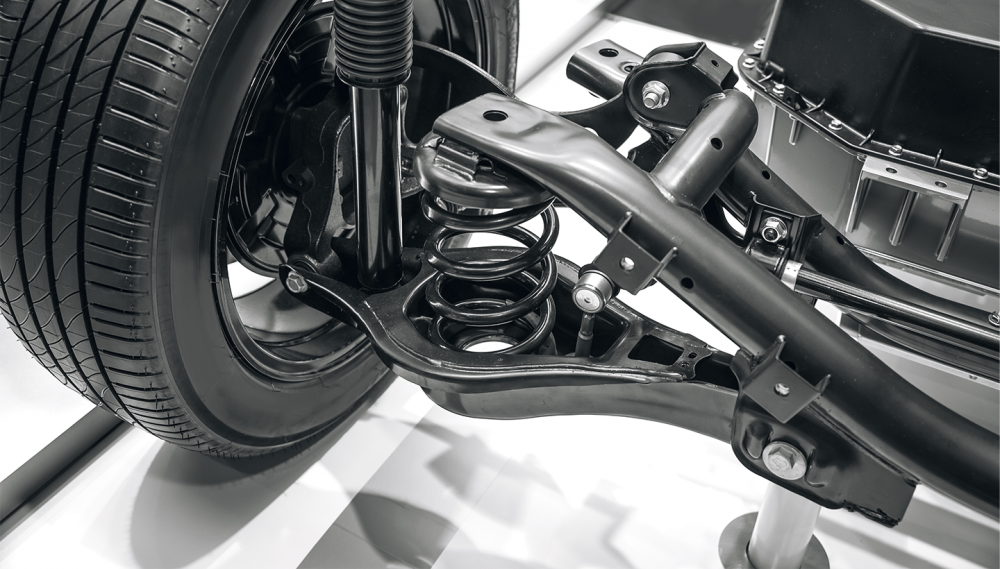
MacPherson Suspension
The MacPherson strut is the most common front suspension in modern cars. It uses one lower control arm and a vertical strut that acts as the upper mount. This makes the entire assembly compact and light, leaving more space for the engine bay. The design appeared in the 1940s and spread quickly because it was cheap to make and easy to package in small cars. Over time, manufacturers improved it with better bushings, stronger materials, and advanced damping systems.
Examples: Volkswagen Golf, Toyota Corolla, Ford Focus, BMW 3 Series (front).
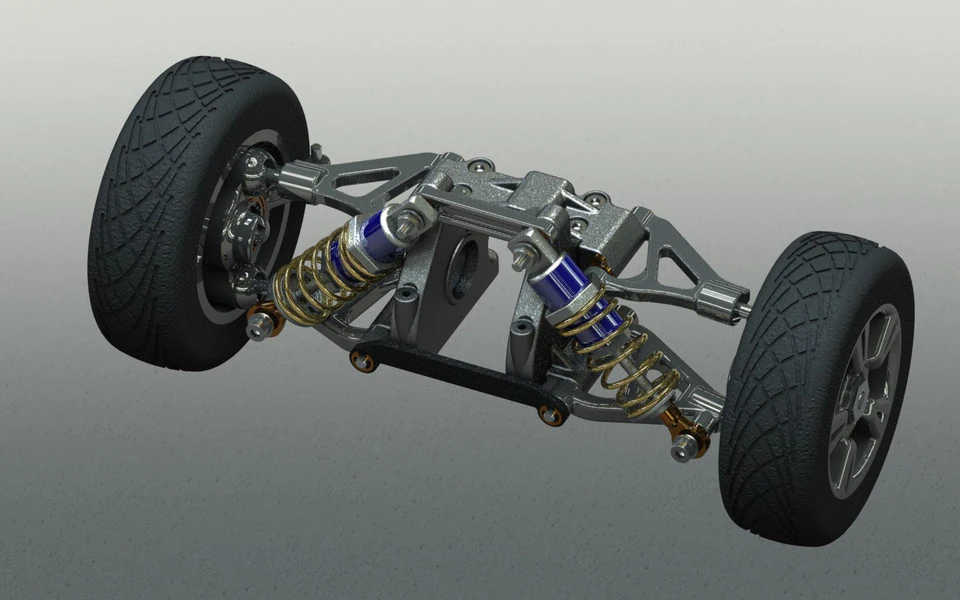
Independent Suspension
Independent suspension is a broad category. It describes any system where the left and right wheels move without affecting each other. Early luxury cars in the 1930s used independent front suspension to provide a softer ride compared to the harsh, bouncing behavior of rigid axles. As manufacturing improved, independent designs became the standard for modern passenger vehicles. The main benefit is optimal grip and ride quality, especially at high speeds.
Examples: Tesla Model 3, Hyundai Tucson, BMW X3, most modern sedans and SUVs.
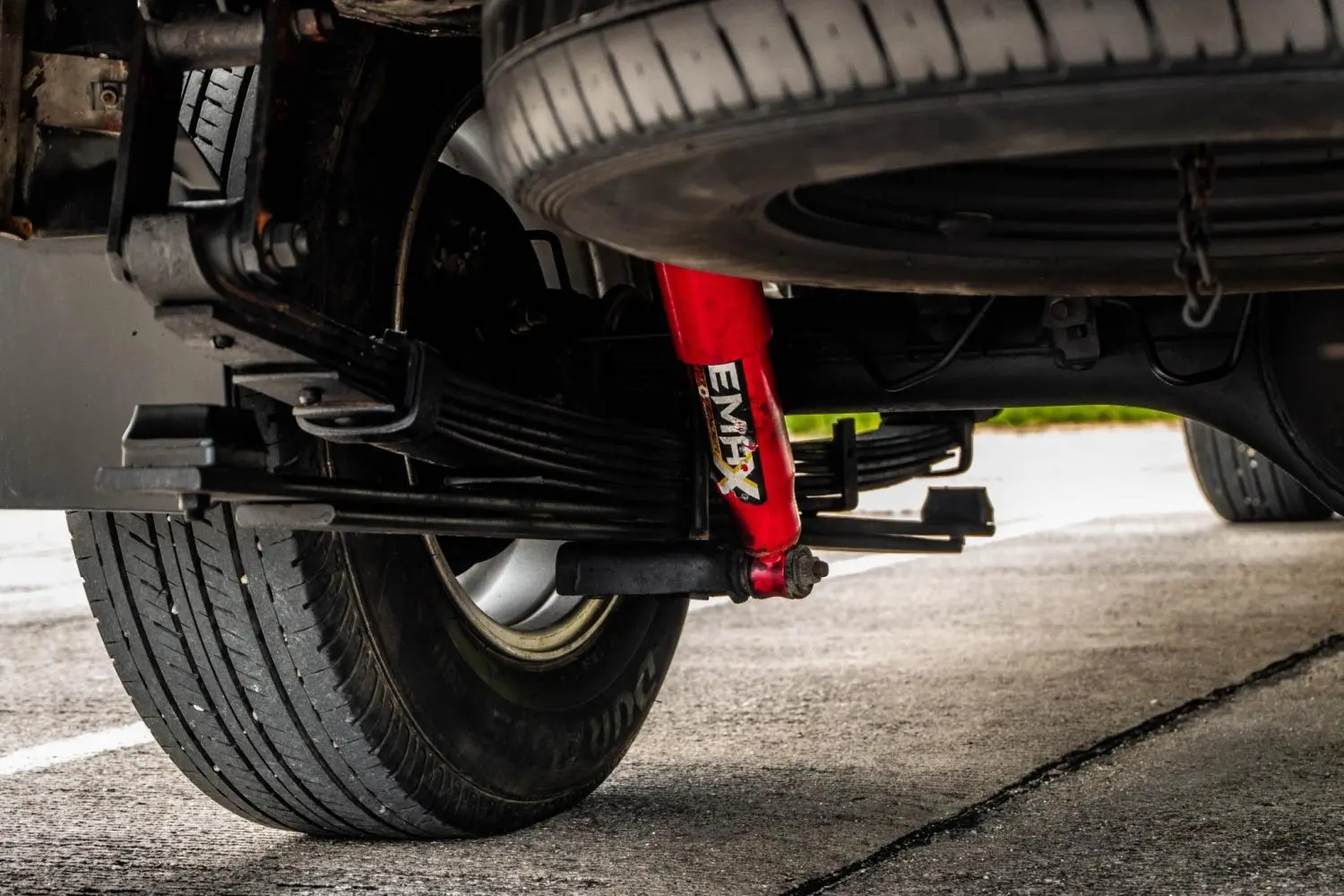
Leaf Spring Suspension
Leaf springs are metal strips stacked in layers. They act as both springs and part of the suspension structure. This design is one of the oldest in the automotive world and was borrowed from horse-drawn carriages. Leaf springs handle enormous weight, which makes them ideal for pickups and commercial vehicles. Although not as smooth as independent systems, they are reliable, low-maintenance, and strong enough for towing and cargo.
Examples: Toyota Hilux, Ford F-150 (older generations), Isuzu D-Max, many vans and utility trucks.
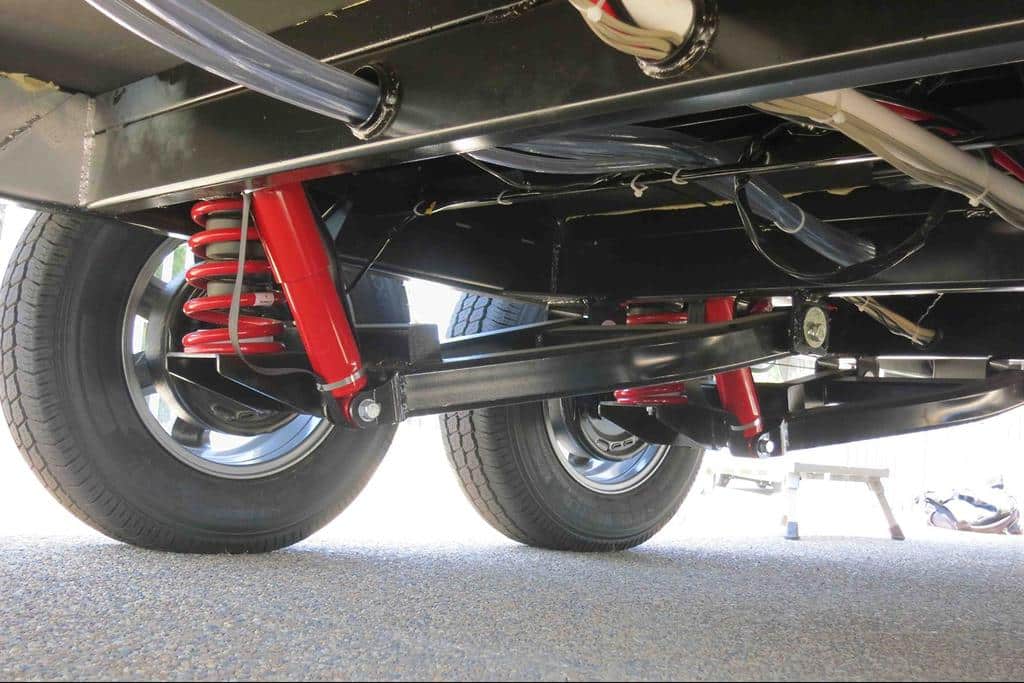
Trailing Arm Suspension
Trailing arms run parallel with the car body and pivot at the front. The wheel mounts at the back of the arm, allowing it to move up and down in a smooth arc. This system became common in the 1950s and 1960s because it was simple and cost-effective. It offers decent comfort and predictable behavior. It also fits well in small cars where space is limited. Modern versions can be tuned with extra links or torsion components for better stability.
Examples: Volkswagen Beetle (rear), early Honda CR-V, various compact cars and small SUVs.
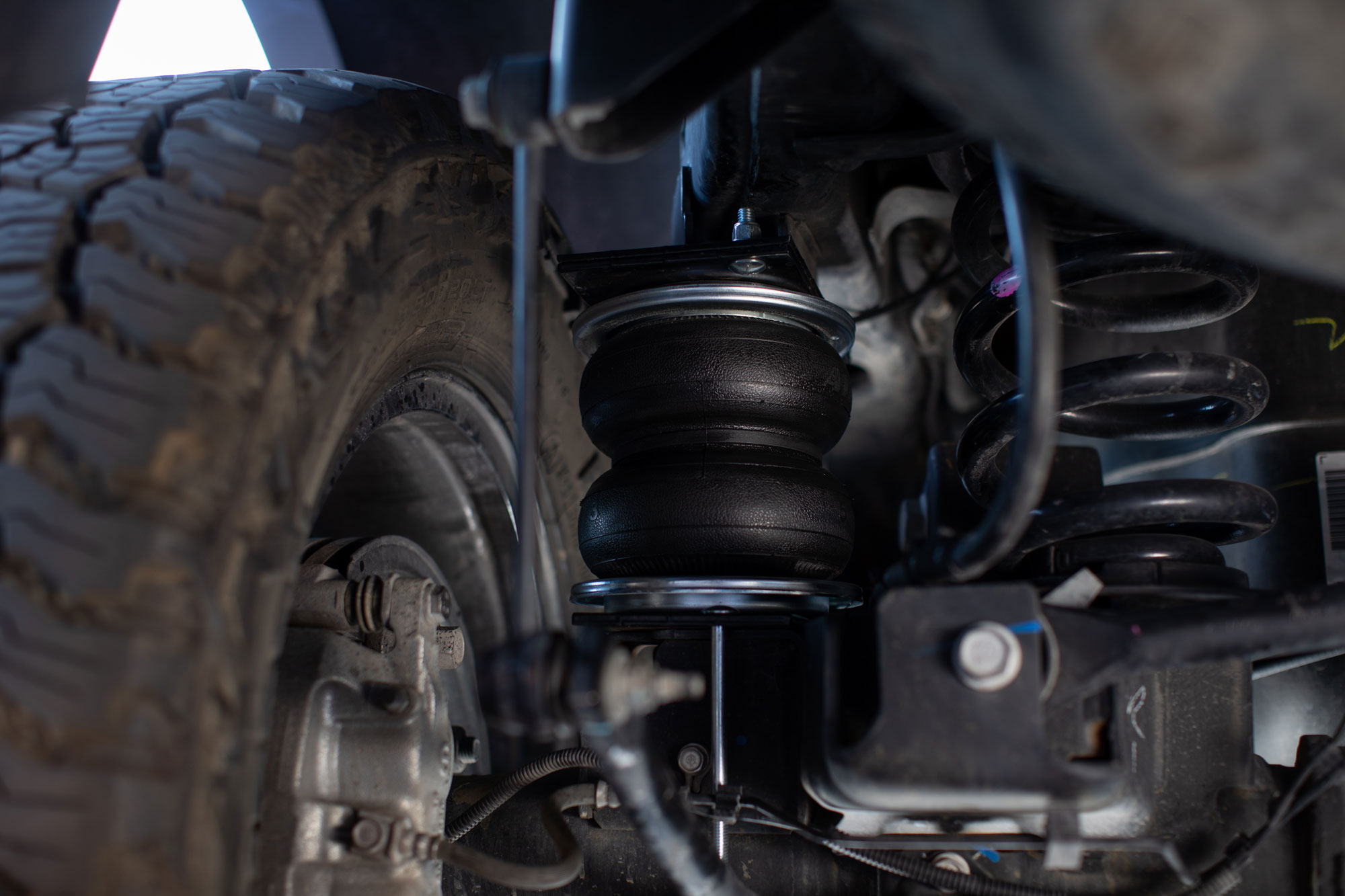
Air Suspension
Air suspension replaces steel springs with rubber air bags filled with pressurized air. The system can raise or lower the car automatically or on command. This delivers a smooth ride and keeps the vehicle level even when it is fully loaded. The first air-suspended cars appeared in the 1950s as luxury models tried to offer a new level of comfort. Today it is used on premium sedans, heavy SUVs, and even electric cars. The main advantage is adaptive ride height and excellent comfort.
Examples: Mercedes-Benz S-Class, Range Rover, Audi Q7, Tesla Model S (optional on certain years).
Suspension engineering continues to evolve as cars become heavier, faster, and more complex. Yet the fundamentals stay the same: a suspension must control weight transfer, absorb road impacts, and maintain tire contact. Each system above solves these tasks in its own way, and each one shaped the history of automotive design.