Drive through almost any suburb in America and you will see the same thing: a row of full-size pickup trucks sitting in driveways that have never seen a bag of cement, a load of lumber, or a muddy job site. They are spotless. Polished. Often worth more than the house they are parked in front of twenty years ago.
The pickup truck used to be a tool. Now it is a statement.
And not a quiet one.
From Job Site to Driveway Throne
There was a time when a pickup was simple. Vinyl seats. Manual windows. A long bed that actually carried things. It was bought by contractors, farmers, small business owners. It worked. It earned money. It was not designed to impress anyone.
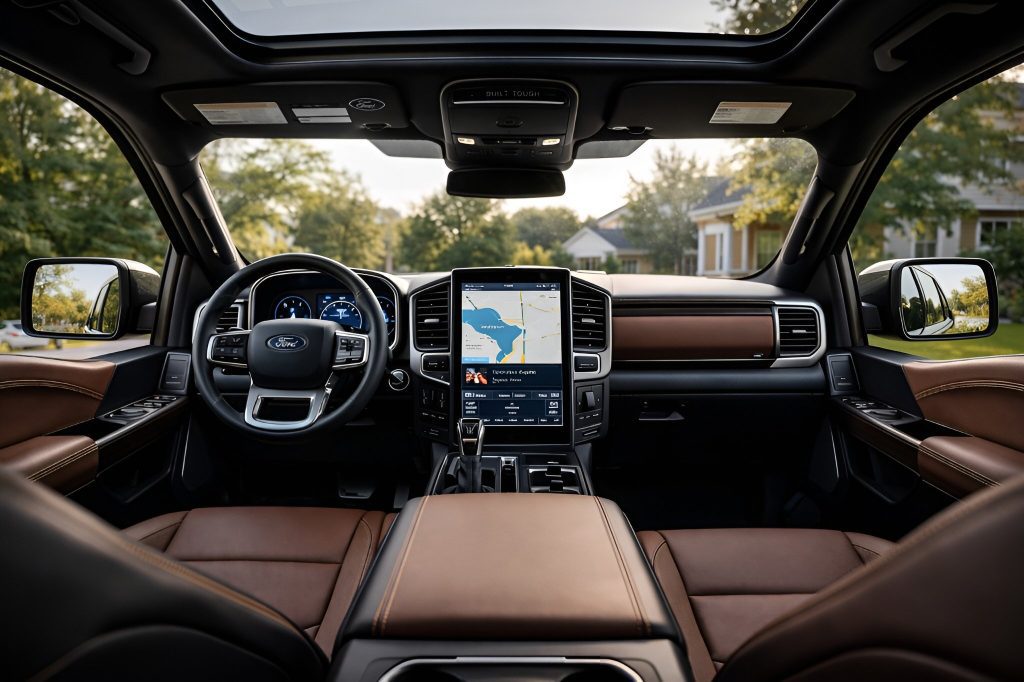
Today, the average full-size pickup in America can easily cost $70,000. Some cross $90,000 without trying very hard. Leather seats. Panoramic sunroofs. Giant touchscreens. Heated and ventilated everything. Chrome details that reflect the sun like a mirror ball.
Manufacturers did not accidentally build luxury trucks. They followed demand. Americans did not just want utility. They wanted presence.
A modern pickup is tall, wide, aggressive. It does not quietly exist in traffic. It dominates it. Sitting high above everyone else gives a feeling that is hard to sell in a sedan: control.
For many buyers, that feeling is worth more than payload capacity.
The Image Is Stronger Than the Use Case
Ask the average suburban truck owner how often they use the bed for real work. The honest answer is usually “not that often.” Maybe a weekend trip to Home Depot. Maybe a piece of furniture once a year. Sometimes nothing at all.
The truck still feels justified.
Because the truck is no longer about what you carry. It is about what you project.
It signals independence. Capability. Strength. Even if the heaviest thing it carries is a gym bag. It suggests that at any moment, you could tow a boat across state lines or help rebuild a fence after a storm. Whether you ever do it is almost irrelevant.
In a country built on the idea of self-reliance, the pickup truck became a rolling symbol of that identity. It says, “I can handle it,” even if “it” never arrives.
Meanwhile, the practical math often makes little sense. Large trucks are harder to park, consume more fuel, cost more to insure, and can be expensive to repair. Modern pickups are packed with sensors, cameras, and advanced driver systems. A minor fender-bender can mean thousands of dollars in repairs.
But the emotional value outweighs the spreadsheet.
When a Work Tool Becomes Luxury
The most interesting shift is not that pickups became popular. It is that they became premium.
Luxury used to mean German sedans and quiet cabins. Now it also means lifted suspensions, oversized grilles, and interiors that rival high-end SUVs. Manufacturers discovered that Americans were willing to finance trucks the same way they finance houses: long loans, high monthly payments, justified by the idea that “this is what I drive every day.”
The work truck did not disappear. It split into two species. One still works on job sites. The other sits in suburban driveways with spotless bed liners and custom wheels.
Both are called pickups. Only one is a tool.
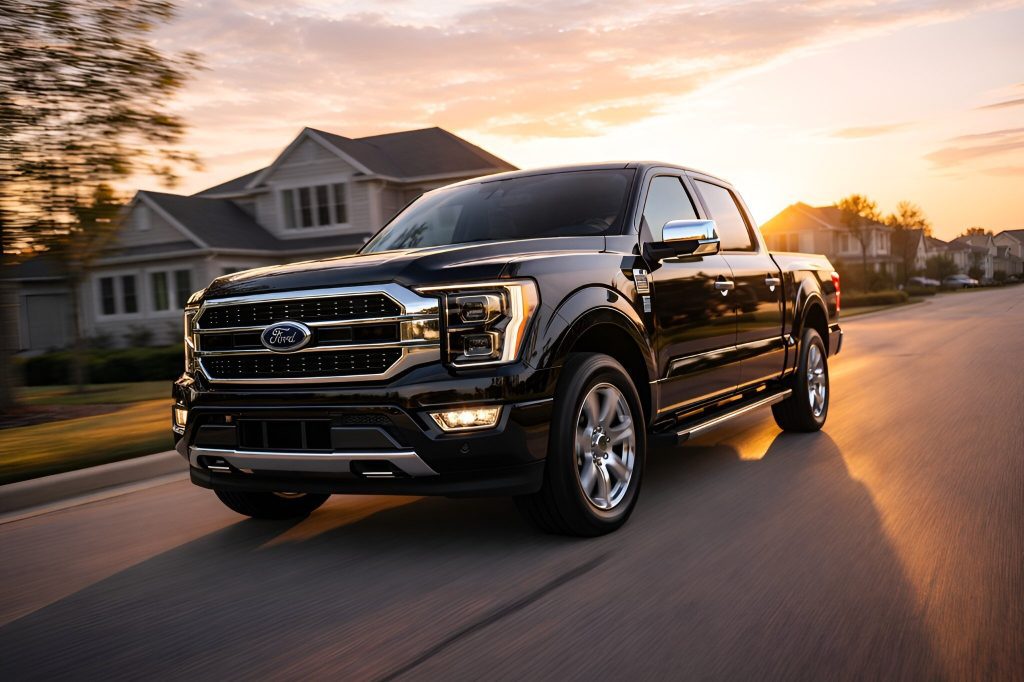
The other is something else entirely. It is armor for daily life. A mobile confidence booster. A symbol that says success, toughness, and comfort can coexist in one oversized package.
There is nothing inherently wrong with that. People have always bought vehicles for emotional reasons. Sports cars are rarely driven at racing speeds. Luxury SUVs rarely leave pavement. The pickup simply joined that club.
But it is worth acknowledging the transformation.
The American pickup truck did not stop being capable. It just stopped being primarily about capability.
Today, it is less about hauling lumber and more about hauling identity.