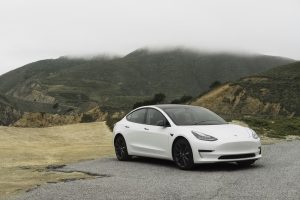
U.S. car buyers are shifting priorities as hybrid vehicles gain momentum and electric vehicle demand softens. Policy changes, rising costs, and practical concerns are reshaping the market, positioning hybrids as a more accessible path toward electrification for mainstream American consumers.
The U.S. auto market entered a new phase in 2025 as hybrid vehicles surged ahead while electric vehicle momentum weakened. Fresh data from the U.S. Energy Information Administration shows a clear divergence, driven less by technology limits and more by policy changes reshaping consumer behavior and pricing dynamics.
Electrified vehicles still expanded their overall footprint, accounting for roughly 22 percent of all light-duty sales in 2025, up from 20 percent a year earlier.
Yet that growth masked a split market: hybrids gained share steadily, while battery electric and plug-in hybrid vehicles lost traction as the year progressed.
The turning point came in September 2025, when federal tax credits worth up to $7,500 expired. Buyers rushed into showrooms before the deadline, temporarily lifting EV sales to record levels. Afterward, demand dropped sharply, with EV market share falling below 6 percent in subsequent months.
Hybrids capitalized on this shift. Without relying on subsidies, they offered a lower-cost entry into electrification while avoiding charging concerns. Analysts point to pricing pressure—average
EV transaction prices remained high—as a decisive factor pushing mainstream buyers toward hybrid alternatives that deliver efficiency without lifestyle changes.
Broader industry signals reinforce the trend. Automakers across the United States have begun scaling back aggressive EV plans, citing weaker-than-expected demand and mounting financial losses. Analysts now describe a transitional “EV slowdown,” with companies redirecting investments toward hybrids and flexible powertrain strategies.
Short-term volatility does not erase long-term electrification goals, but it reframes the path forward. Rising fuel prices and technological improvements may revive EV demand, yet current data shows American consumers prioritizing affordability and convenience.
In that environment, hybrids have emerged as the dominant bridge between traditional combustion engines and a fully electric future.